Disclaimer: I was invited by the Tourism Board of Slovenia but all opinions stated in this article are my own.
If you’re looking for Slovenia itineraries that go beyond Lake Bled, you’re not alone! While Bled is beautiful, it barely scratches the surface of what Slovenia has to offer. What surprised me most wasn’t just the landscapes, but how much variety you can experience in such a small country, from laid-back cities and wine regions to spa towns and historic villages, all within a few hours of each other!
This local itinerary is a mix of well-known highlights and Slovenia hidden gems that you probably wouldn’t come across without some guidance.
If you’re planning a trip and want something a bit more unique, this route gives you a well-balanced introduction to Slovenia beyond the obvious stops!

Travel Tip: The best way to really get to know Ljubljana? Book a private guided city tour — you’ll explore the Old Town, castle, and hidden corners while getting local insights tailored just to you.
No time to read now?
Save on Pinterest to read it later.

Why Visit Slovenia?
Slovenia is one of those places that quietly exceeds expectations. It’s compact, easy to get around, and incredibly diverse for its size, you can go from vibrant cities to vineyards, alpine landscapes, and spa towns all within a couple of hours. What makes it stand out, though, is the balance: it has the beauty you’d expect from places like Switzerland or Austria, but feels far less crowded and more relaxed.
There’s a strong focus on local culture, whether that’s through food, wine, or everyday life, and it never feels overly touristy. Add to that a growing culinary scene, a deep-rooted wellness tradition, and cities like Ljubljana that are both lively and easygoing, and you get a destination that’s not just beautiful to visit, but genuinely enjoyable to experience at your own pace.
5 Days in Slovenia: What to See, Eat, and Do
Here’s the lowdown on how to spend five unforgettable days in Slovenia, with an itinerary thoughtfully put together with the help of locals. And honestly, it made all the difference, as it meant I got to see a mix of the essentials, along with a few places I might not have picked on my own!
➤➤ Check out my favorite Hidden Gems in Prague.

Day 1: Ljubljana, the Heart of Slovenia
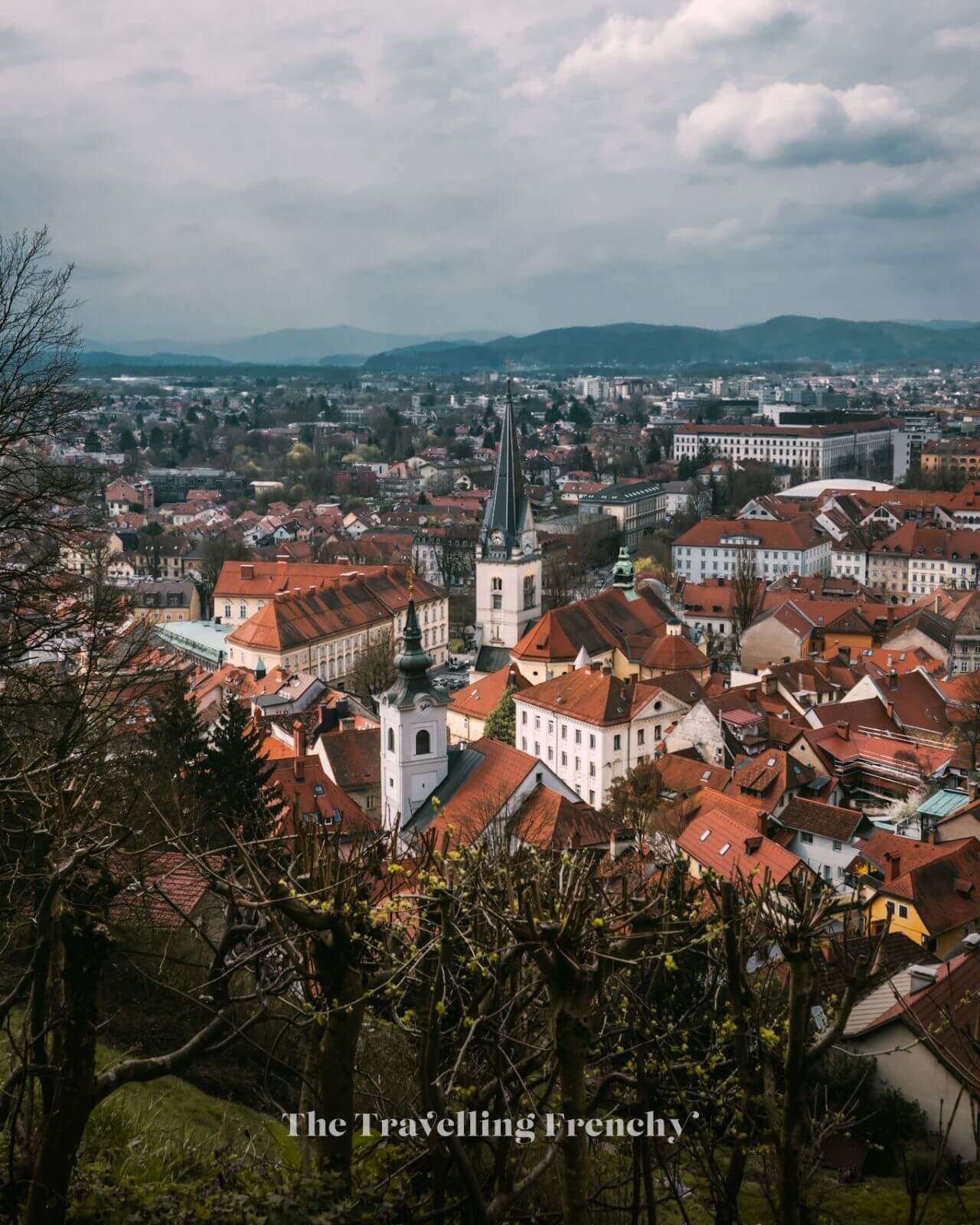
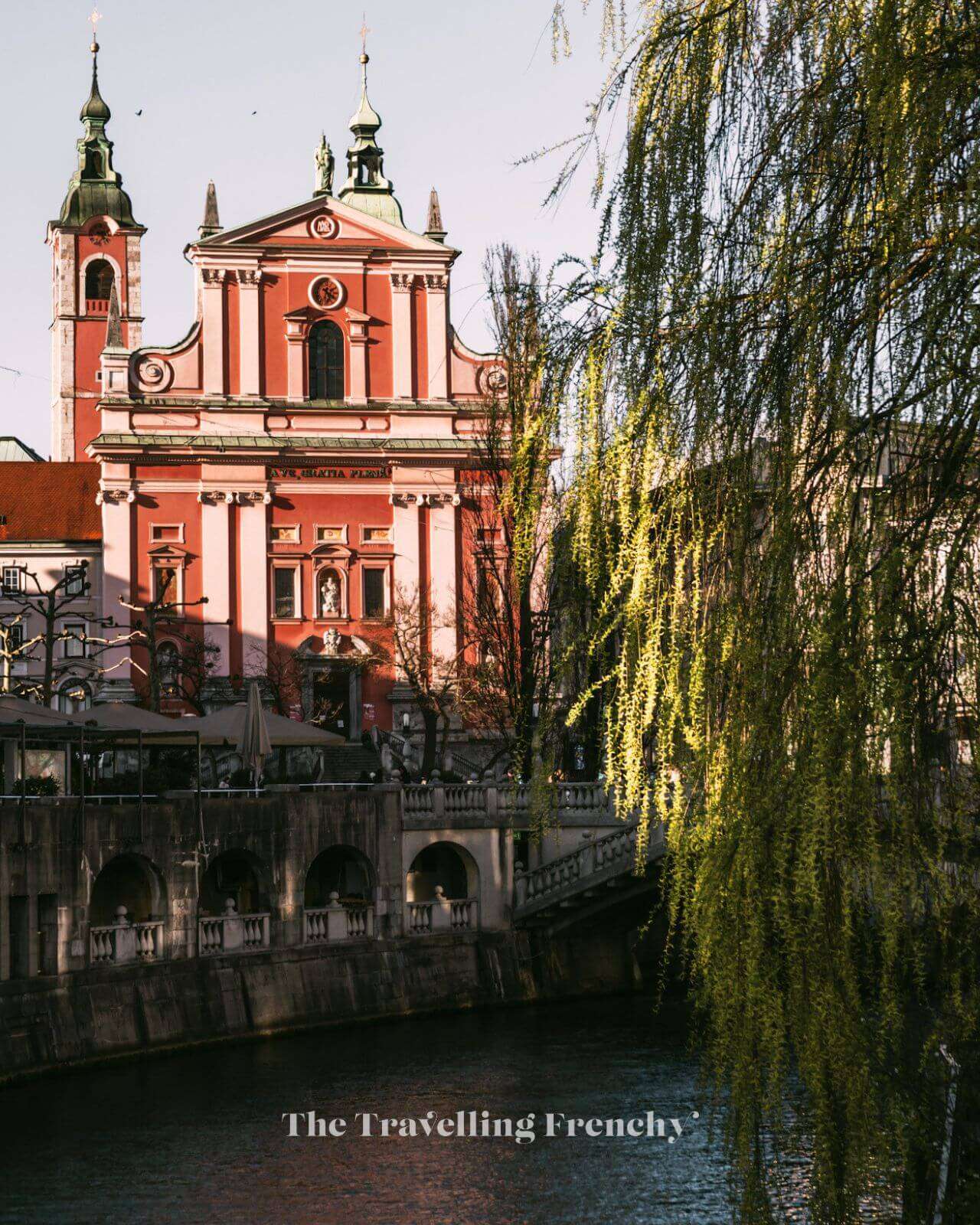
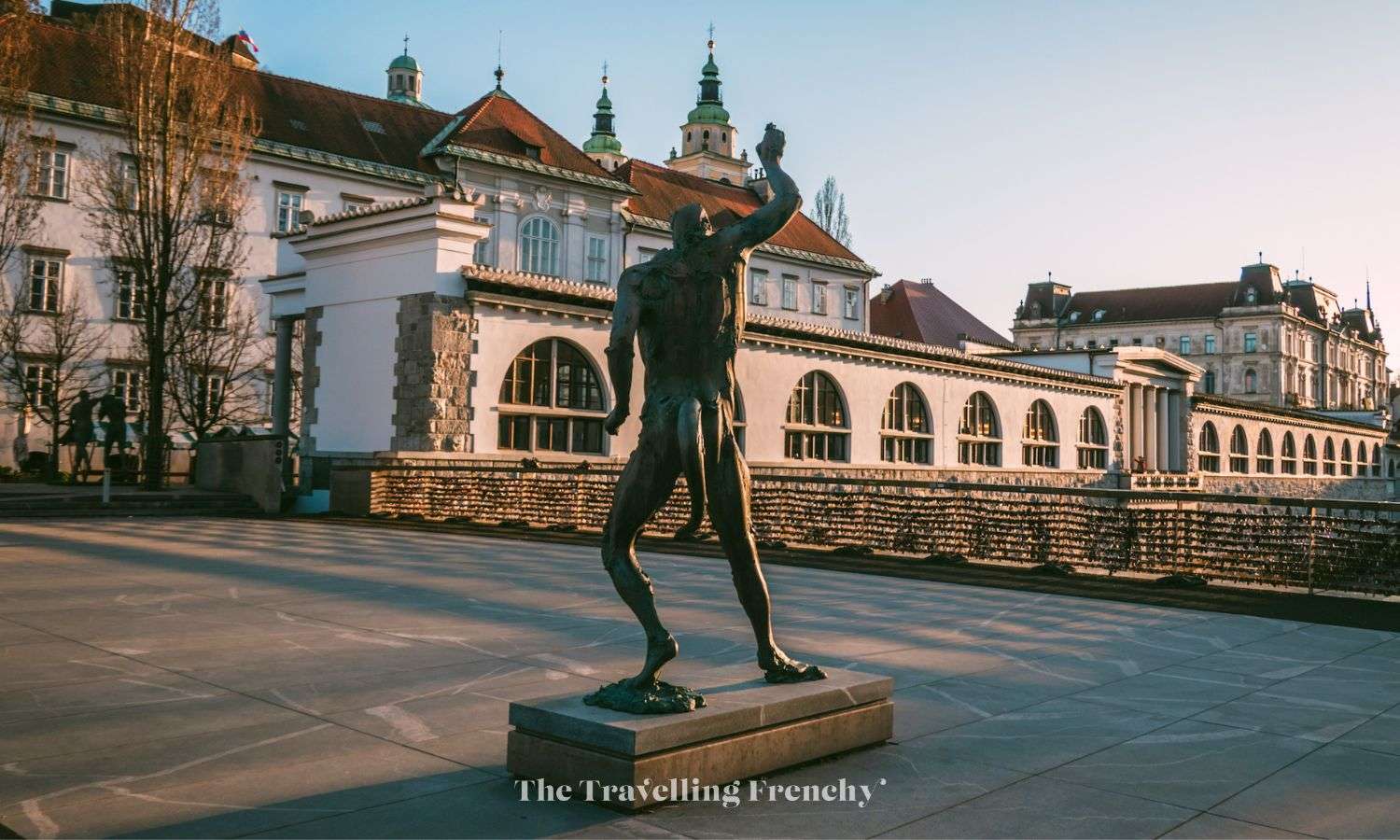
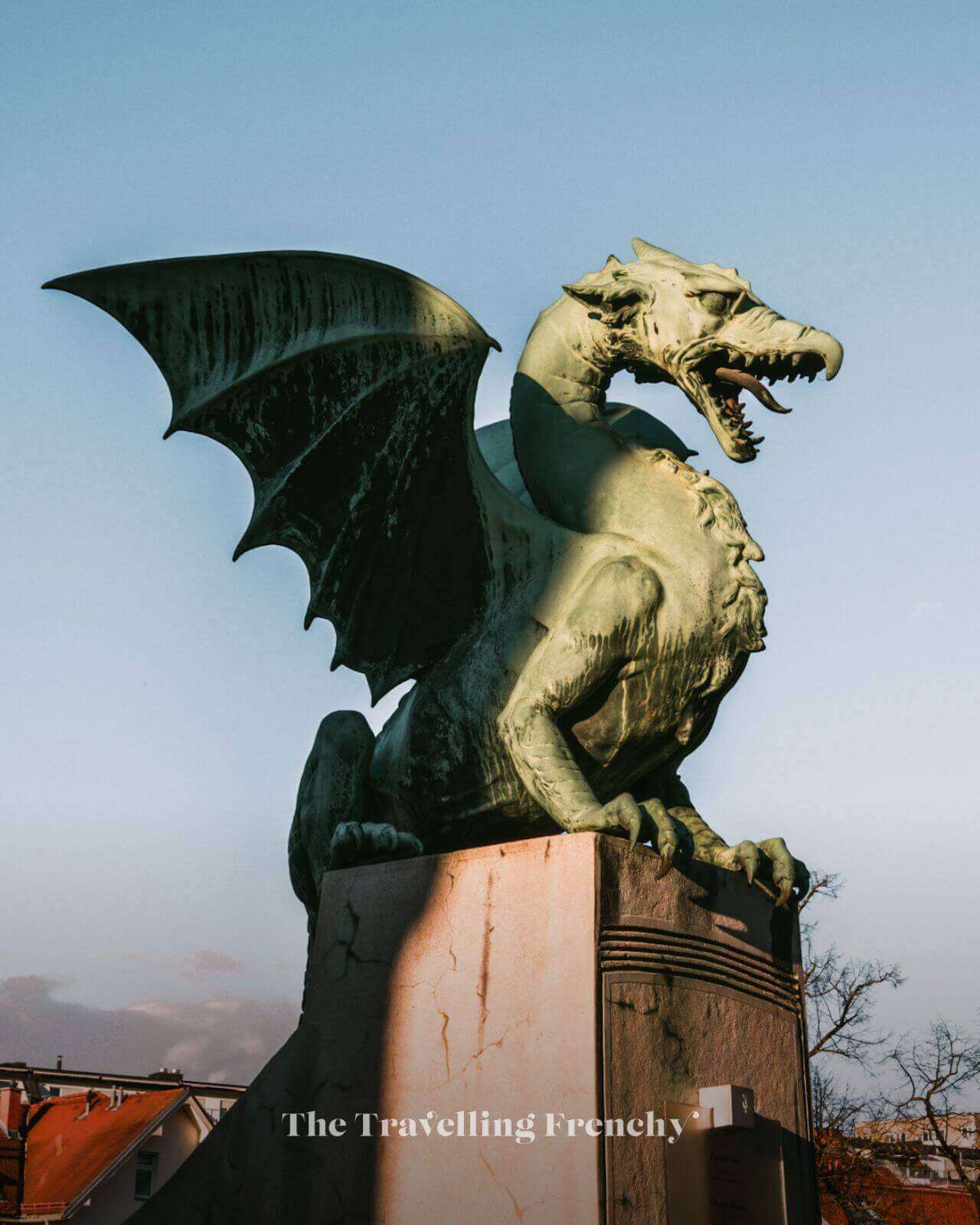
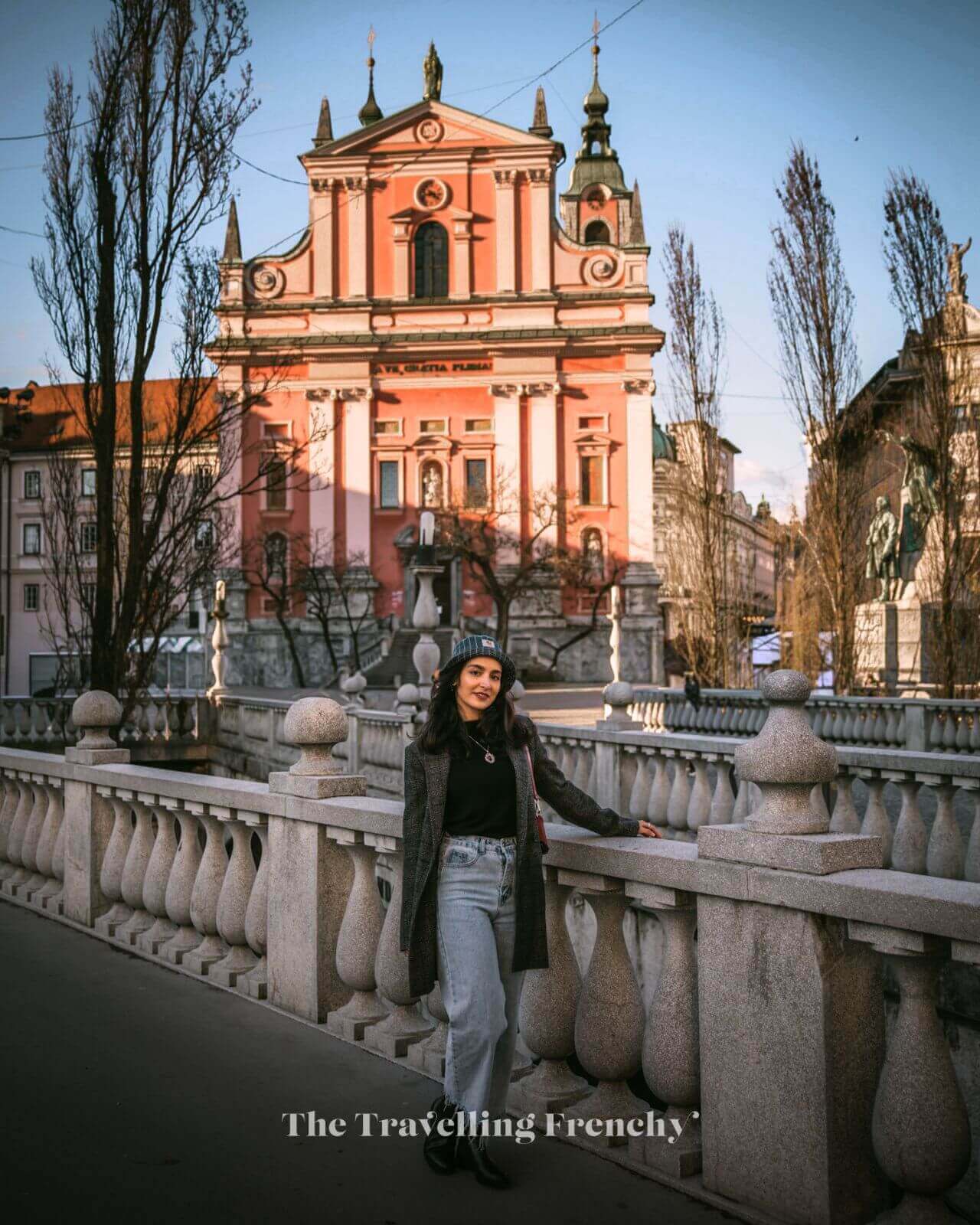
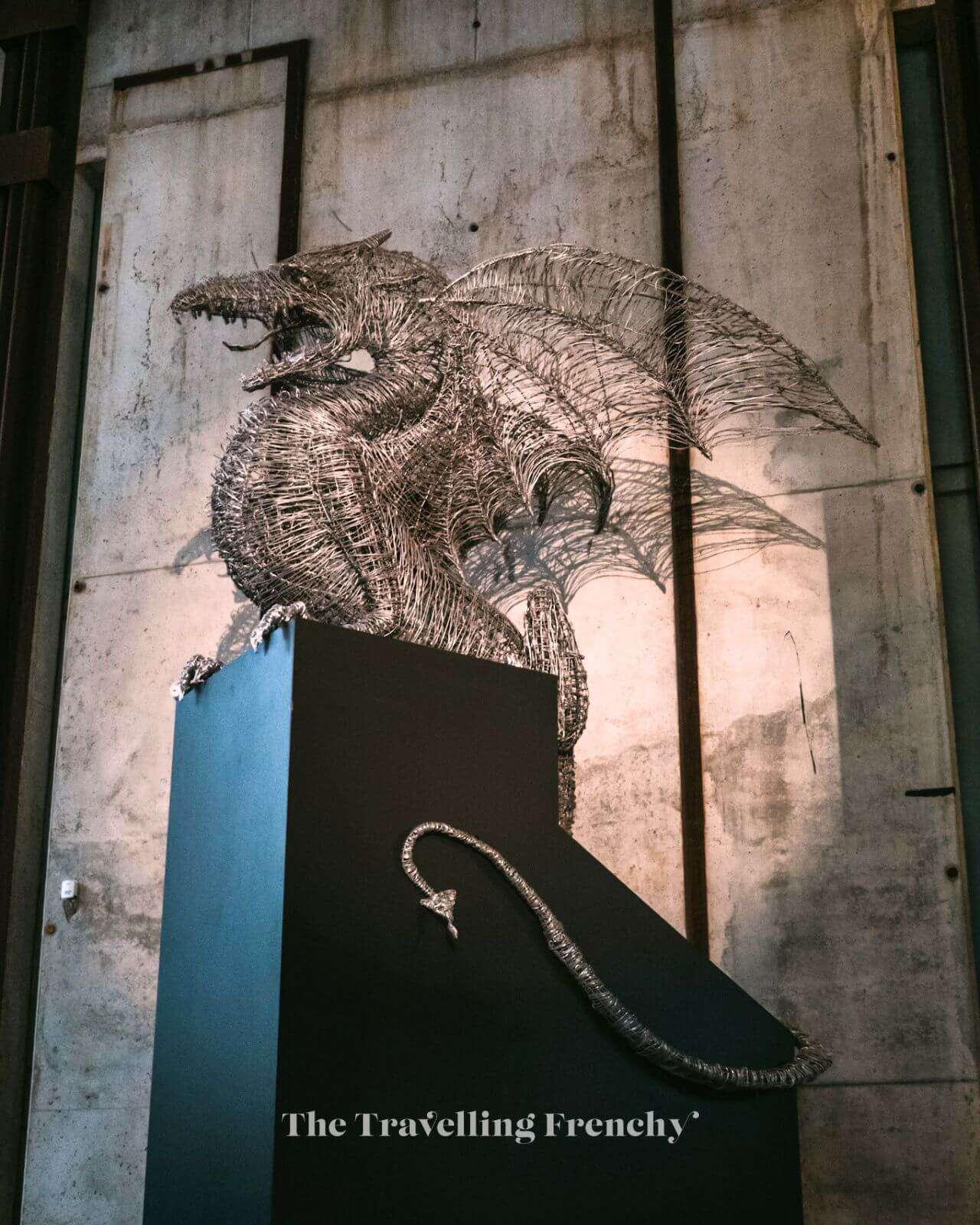
I started my time in Ljubljana and my morning was spent exploring the Old Town, starting at the Dragon Bridge, where the iconic dragon statues immediately set the tone. From there, I made my way towards the Triple Bridge, which is just as photogenic as you’d expect, but also surprisingly lively.
Following the river felt like the natural next step, the Ljubljanica really shapes the city, and walking along it gives you a good sense of Ljubljana’s atmosphere right away.
A short walk later, I reached the Ljubljana Central Market, which was one of those stops that made the whole experience feel more local. It wasn’t just about seeing it, but actually taking the time to walk through, look at what’s in season, and observe daily life happening around me. It’s simple, but it adds a lot to the overall impression of the city.
➤➤ Check out my favorite photo spots in Bratislava, Slovakia.
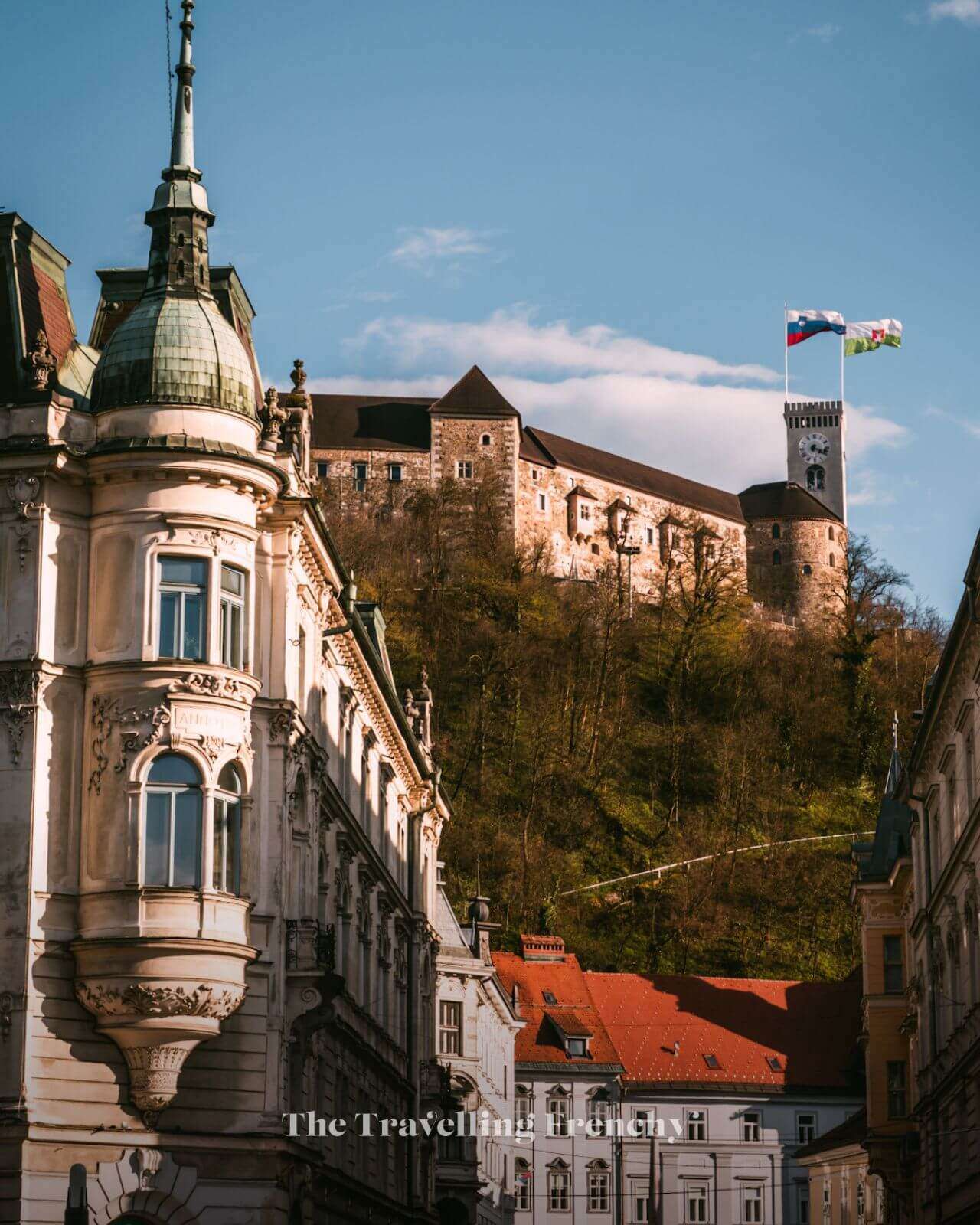
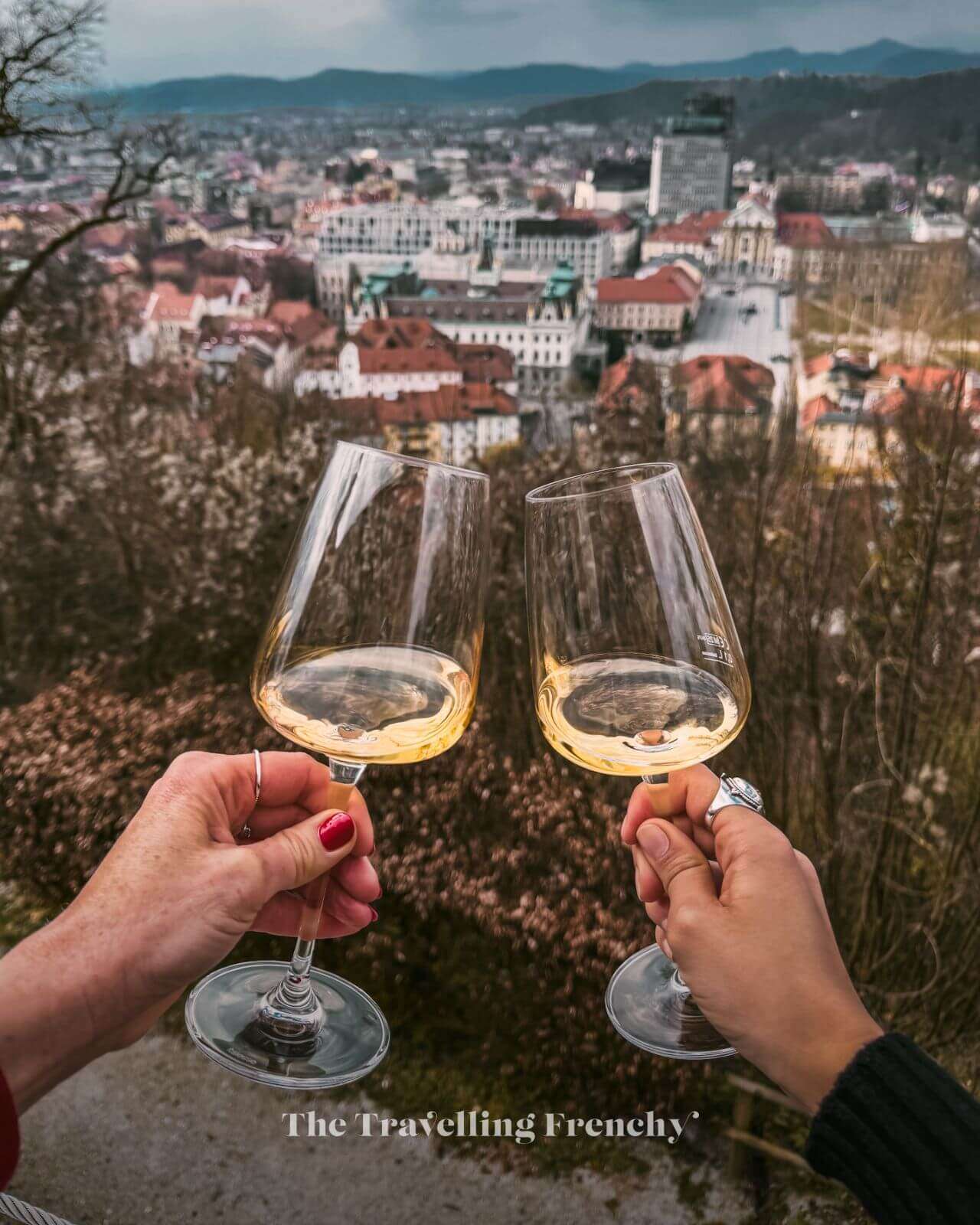
In the afternoon, I headed up to Ljubljana Castle, on foot. The walk up is easy and gives you a bit of a break from the busier streets below. Once at the top, I stayed longer than planned, partly for the views, but also because I ended up stopping for a drink! They have a wine bar right at the castle I really recommend.
Instead of walking back down, I took the funicular, which is quick but gives you a nice perspective over the city as you descend.
Back in the center, I stopped for lunch at Ljubljancanka, another great recommendation. It’s the kind of place where you can try traditional dishes without it feeling overly formal.

Food Tip: Try the Kranjska sausage, Idrijski žlikrofi, and Štruklji, these are some of the most iconic Slovenian specialties on the menu.

Later in the afternoon, I slowed things down with a visit to the National Gallery of Slovenia which gives a nice overview of Slovenian art.
Right after, I went to Cukrarna Gallery, which felt completely different, a more modern, slightly raw space with contemporary exhibitions that contrast nicely with the city’s historic feel.


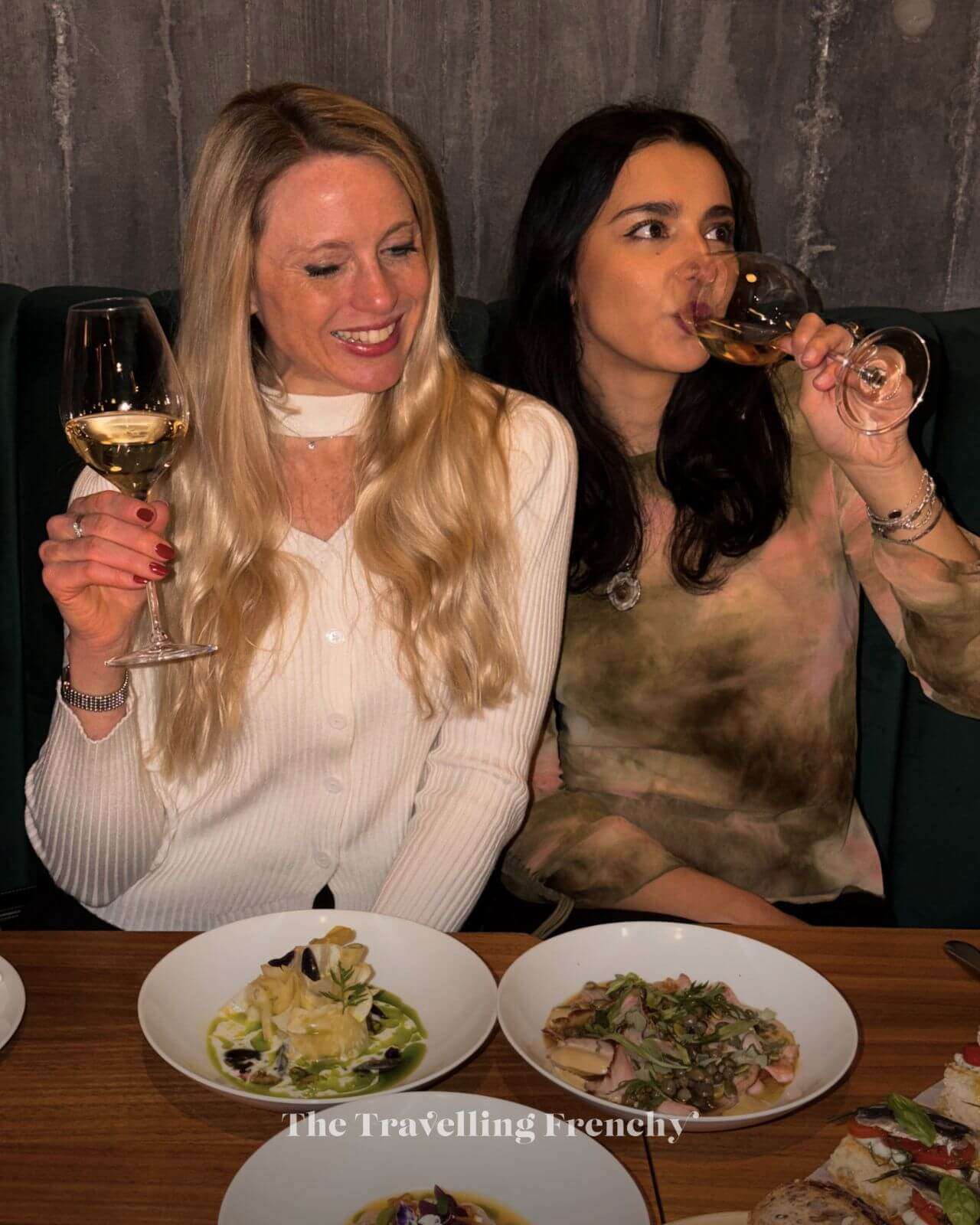
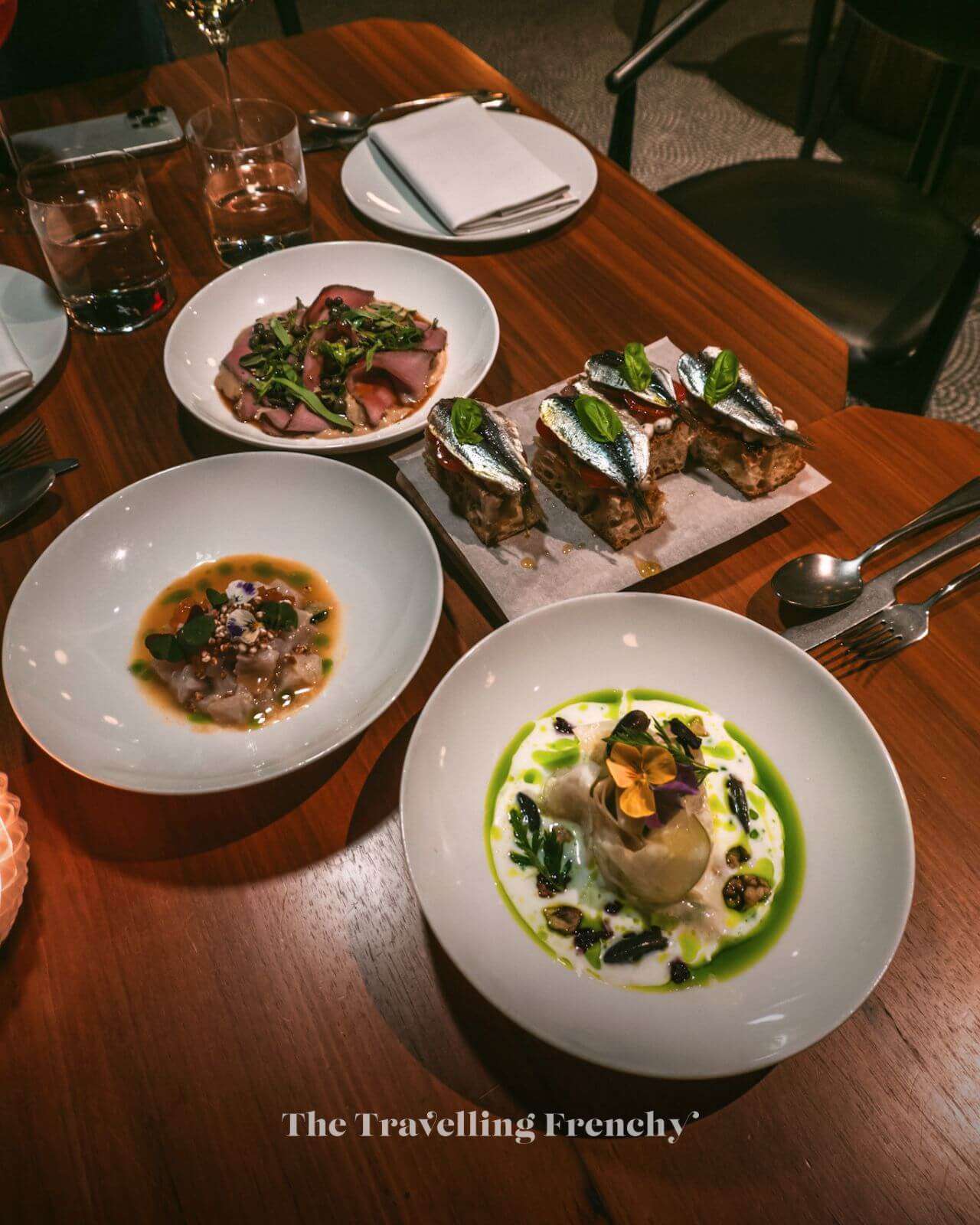
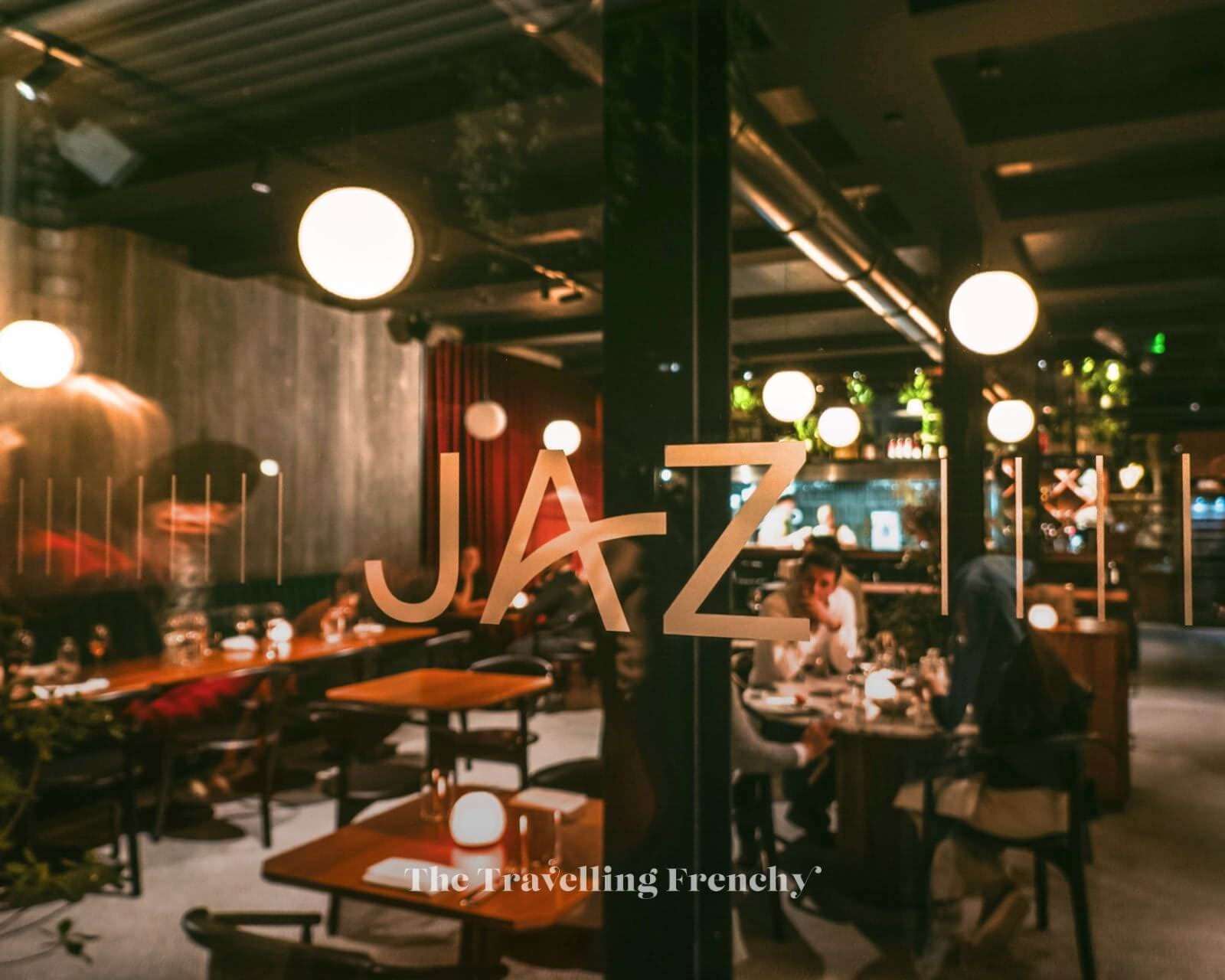
Dinner was at JAZ by Ana Roš, which had been highly recommended, and for good reason! The menu is seasonal and creative, but still approachable, and the whole experience feels refined without being intimidating. It is definitely one of the best restaurants in Slovenia!

Getting Around: To visit Ljubljana Castle, you should get this entry ticket with optional funicular ride. You get to explore the castle, exhibitions and panoramic views at your own pace.
Day 2: Laško, Dobrna & Celje – Michelin-Star Dining, Spa & History
After one day in Ljubljana, I left the city behind and drove about an hour and a half towards Dobrna.
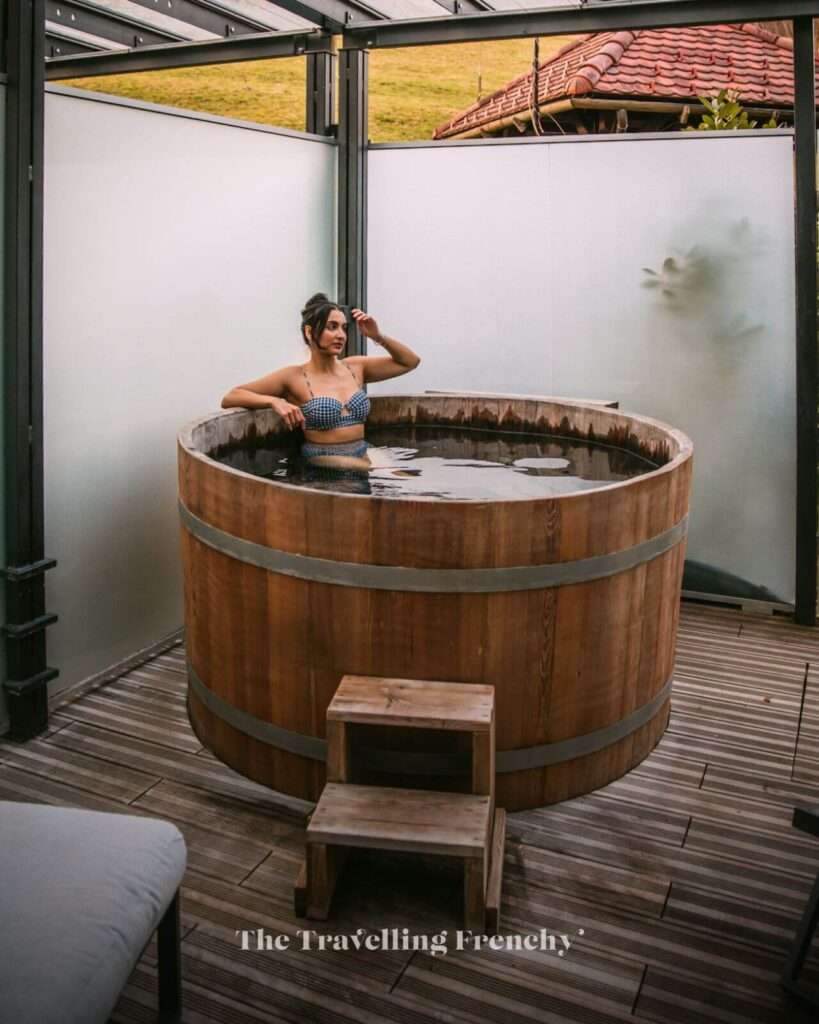
The scenery gradually shifts along the way (fewer buildings, more greenery) and the pace naturally slows down a bit. Dobrna is one of the oldest spa towns in the country and still very much built around that wellness tradition.
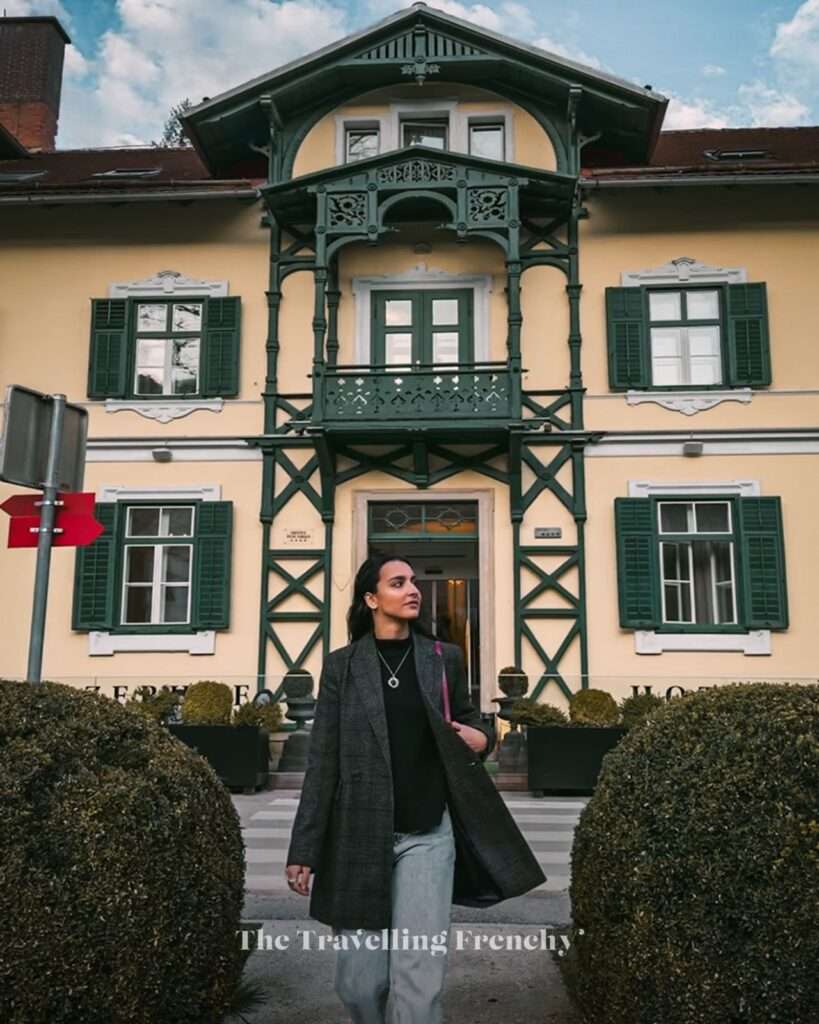
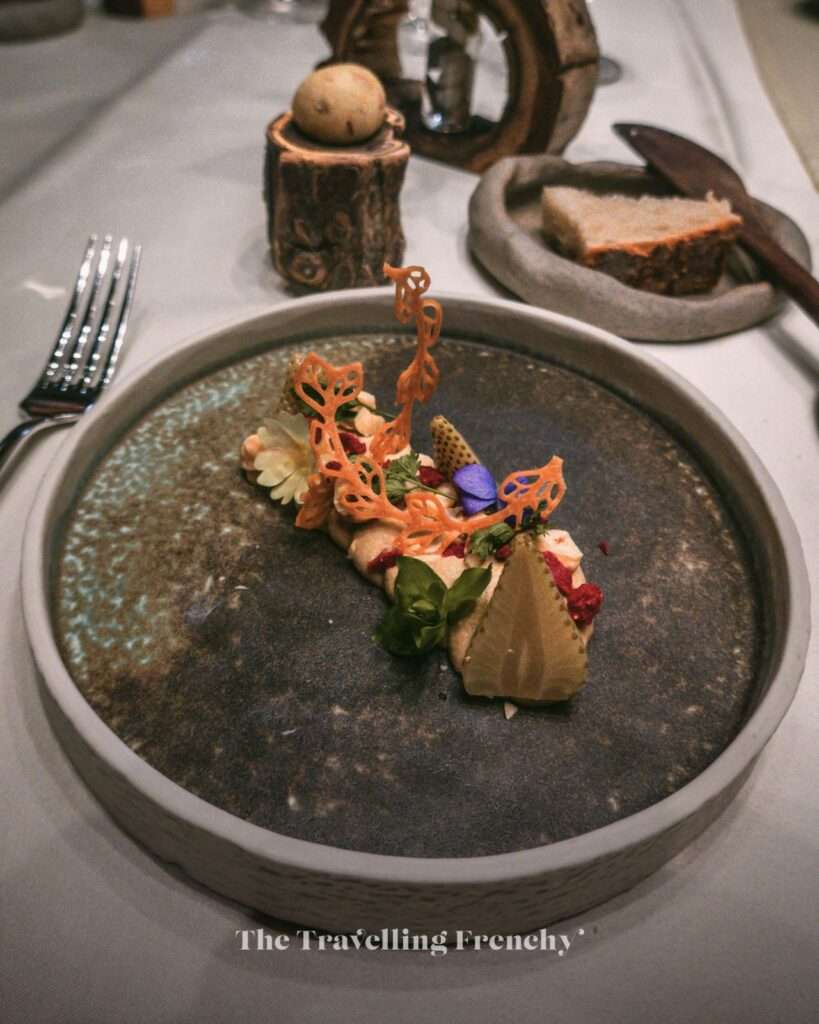
For lunch, I had a reservation at Michelin-starred Pavus, and this was definitely one of the highlights of the trip. The restaurant is set inside a castle in Laško, which already makes the experience feel a bit special, but it’s not just about the setting.
The food is thoughtful and seasonal, with a focus on local ingredients, but presented in a more refined, modern way.

Book in advance: Pavus opens only Tuesday–Friday evenings and Saturday (lunch and dinner), and tables book up quickly, especially on weekends.


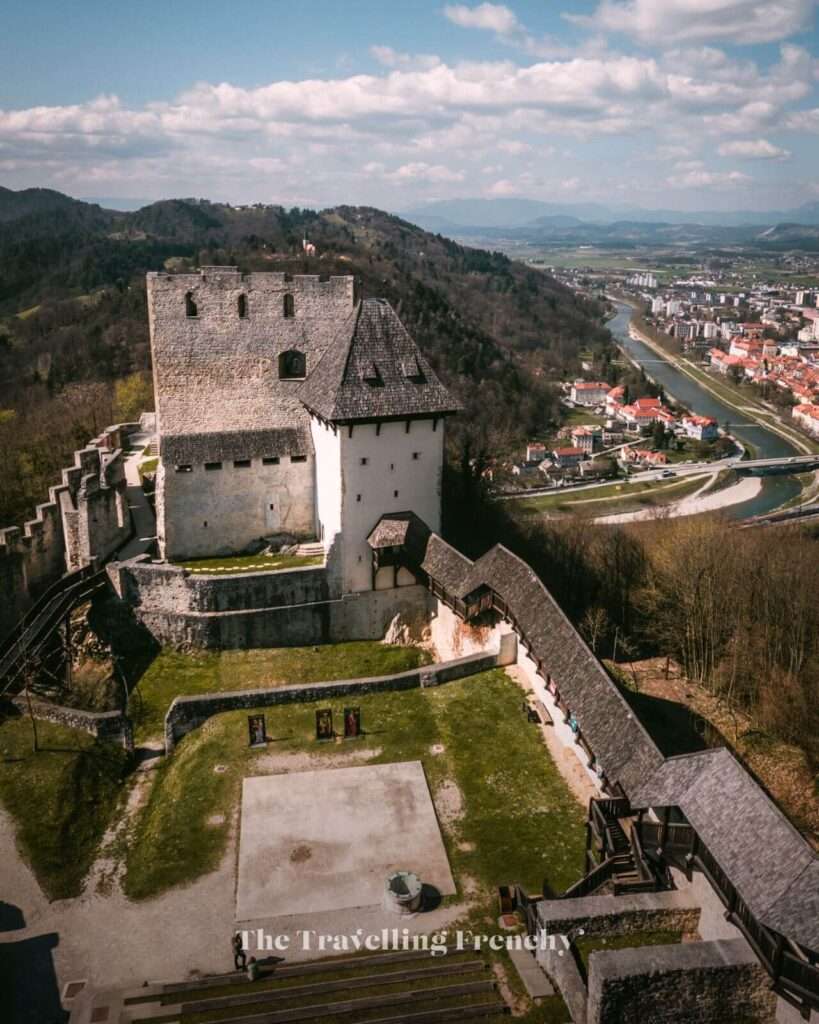
In the mid-afternoon, I drove about 20 minutes to Celje, which has a completely different feel. It is a such a cute town to explore, I recommend not to skip it!

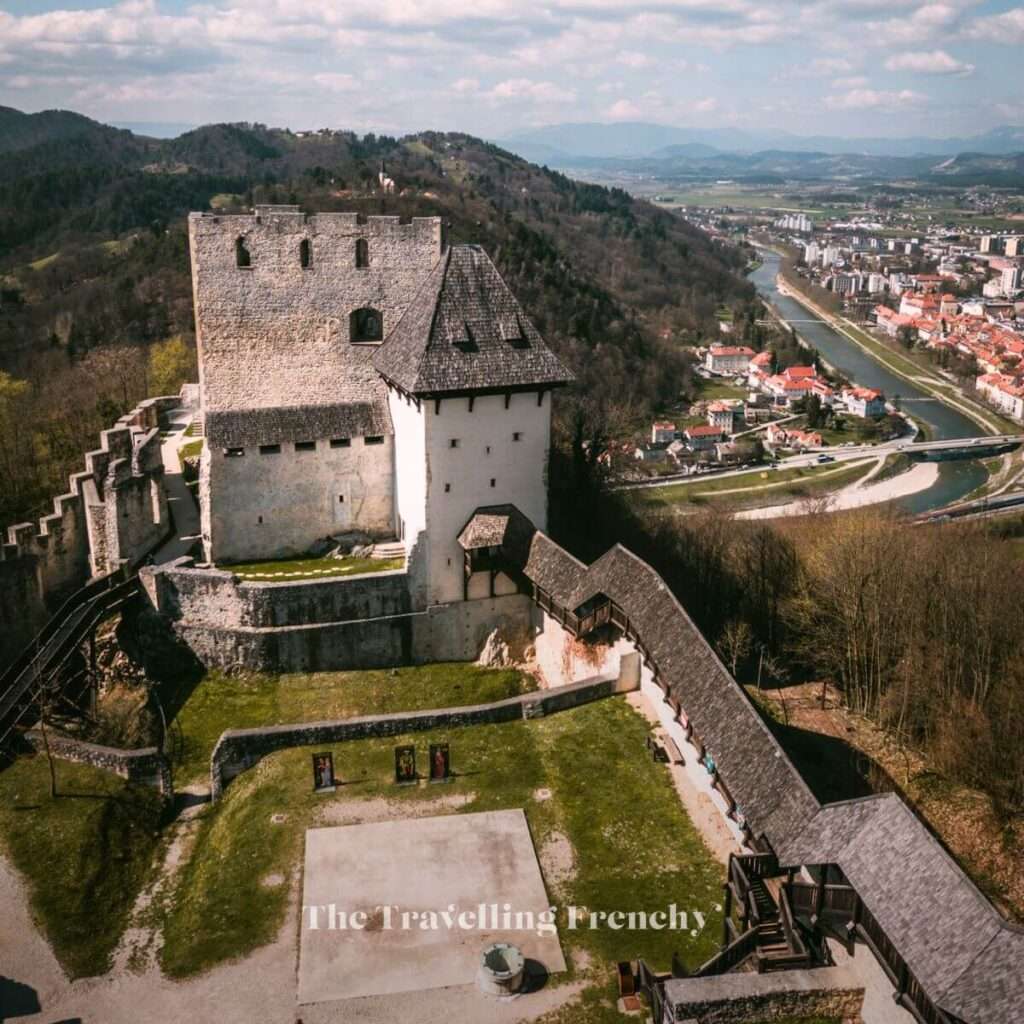
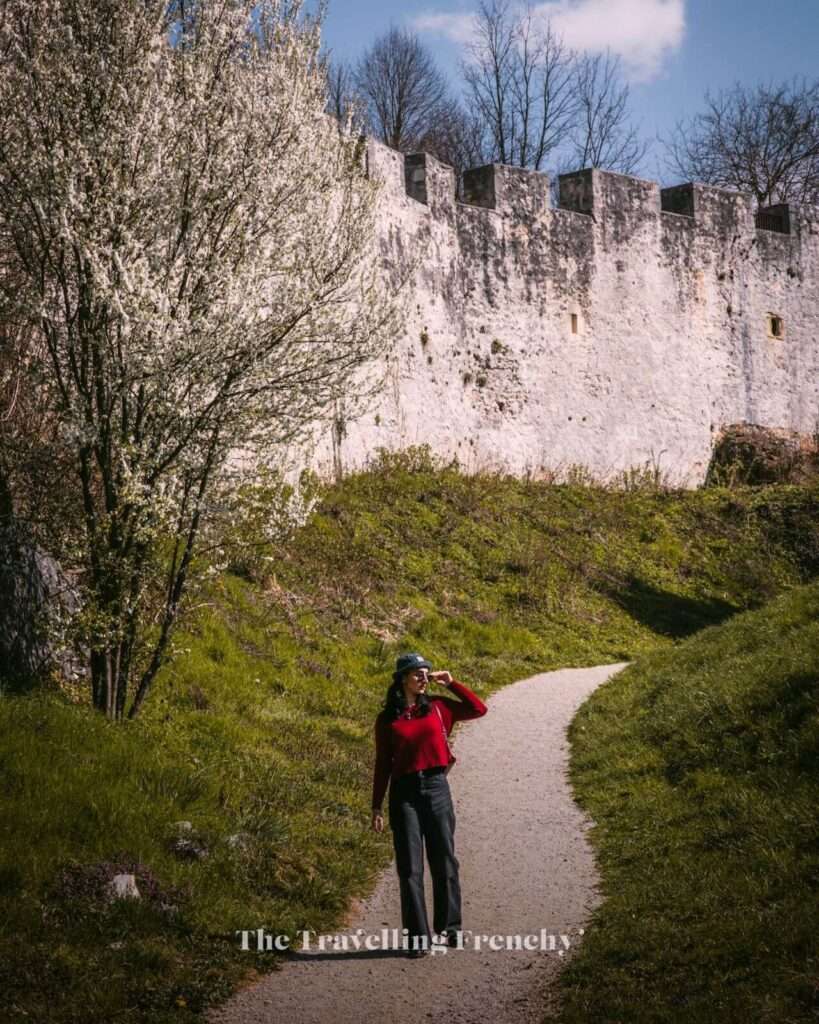
The main stop here is the Celje Castle, which sits above the city and is worth the short drive up. Walking around the castle grounds, you get a real sense of the scale, it’s much larger than you might expect, and the views stretch out over the surrounding countryside. It’s not overly crowded either, which makes it easier to take your time exploring.
For dinner, I went to Mlečna Marjanca, a local spot with a bit of story behind it; apparently even Sophia Loren stopped here once, which adds a fun layer to an otherwise very unpretentious place. It’s simple, traditional, and feels very local, especially after a full day of exploring.

Did you know? Frederick II of Celje secretly married Veronika of Desenice, defying his father Hermann II. Accused of witchcraft and later imprisoned, Veronika was reportedly drowned on his orders in 1425, while Frederick was held captive. Their tragic love story remains one of Slovenia’s most famous medieval legends.
Day 3: Maribor and its wine culture
The next morning, I drove about an hour towards Maribor, a city that feels noticeably different from Ljubljana. It’s a bit quieter, less polished in some ways, but that’s also what makes it interesting. Known as the center of Slovenia’s wine culture, Maribor has a more laid-back, local feel.
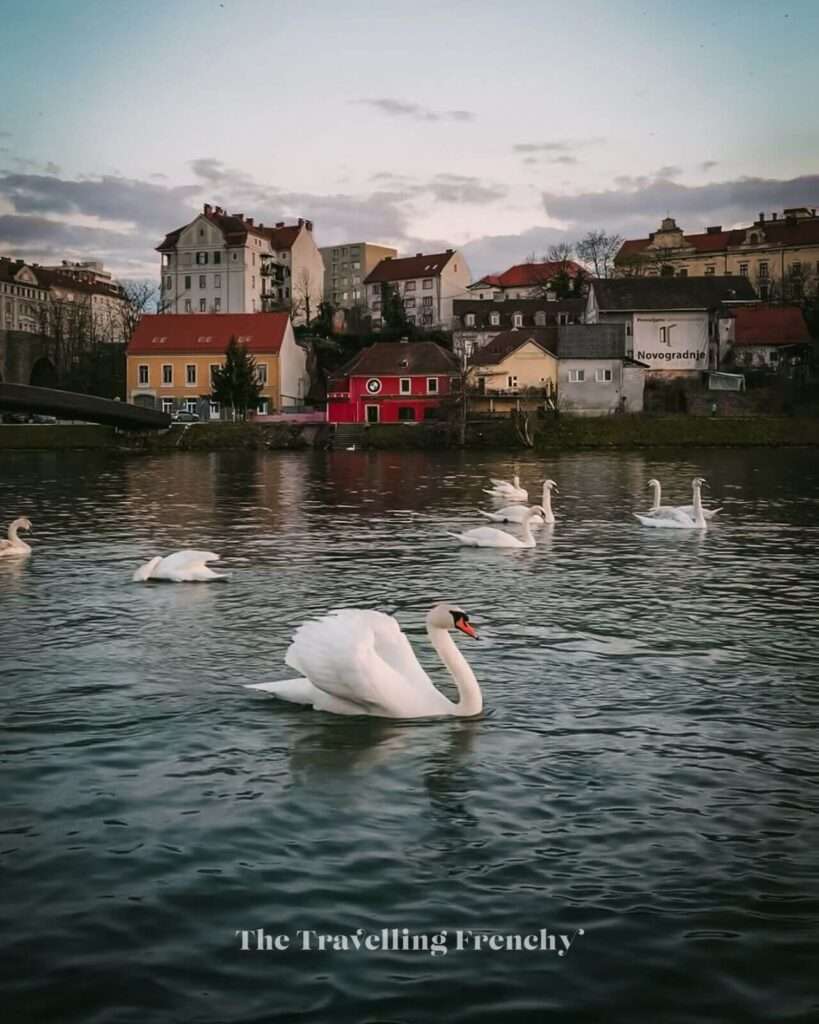
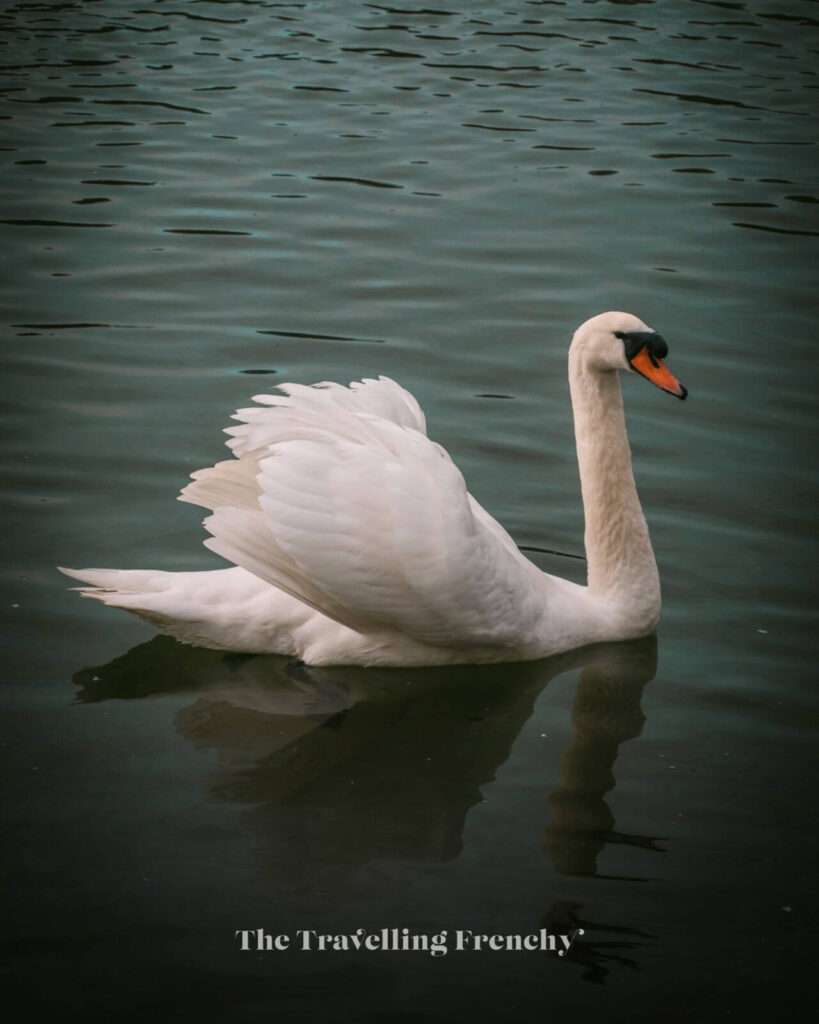
I started the day simply by walking through the city. The historic center isn’t huge, so it’s easy to explore without a fixed plan. Along the Drava River, one thing that really stood out to me here were the swans; there are so many of them, just gliding along the river!
➤➤ Check out my ultimate travel resources & guide for your European trip.
If you want a bit more structure or local insight, I’d really recommend taking a tour with MarTour. I explored the city with Jure, and it honestly added a lot to the experience, he’s incredibly knowledgeable but also very easygoing and fun, which makes it feel more like exploring with a local friend than being on a formal tour.
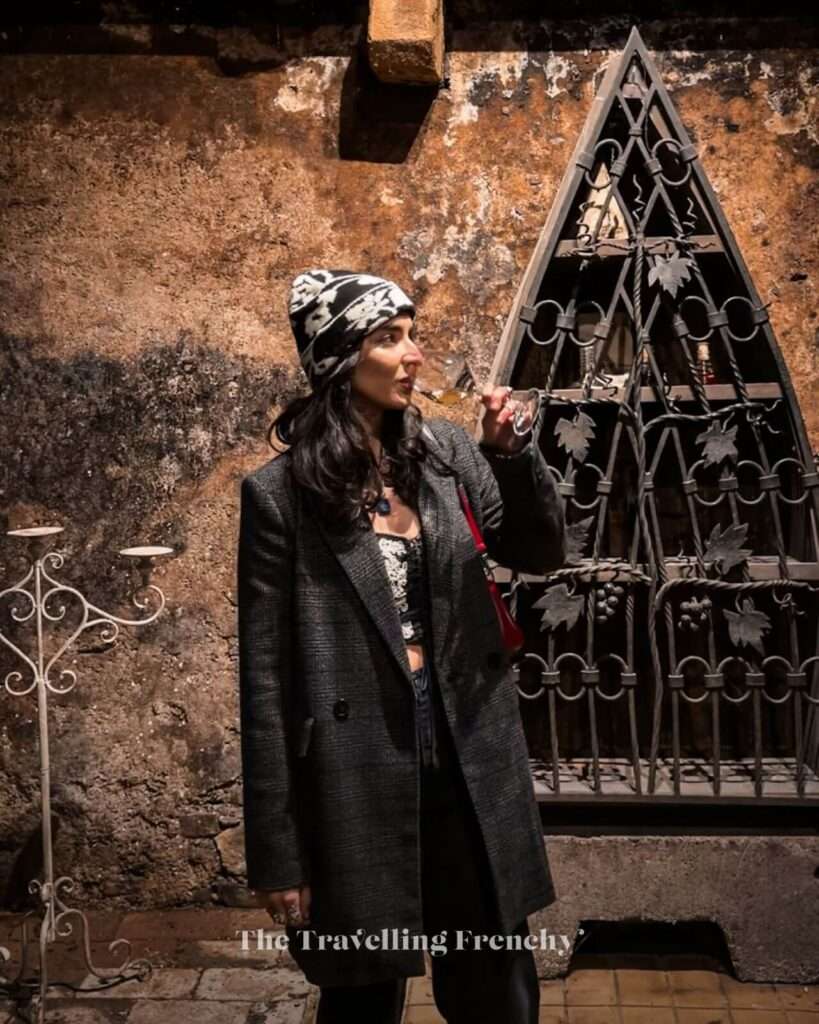
One of the highlights was the Vinag Wine Cellar, and it’s definitely worth planning ahead for. The cellar runs beneath the city and is much larger than you’d expect! The visit usually ends with a tasting, which makes it a good introduction to Slovenian wines if you’re not already familiar with them (spoiler; they are delicious!).

Travel Tip: If you’re planning on visiting Vinag, this guided tour is the best way to experience it!


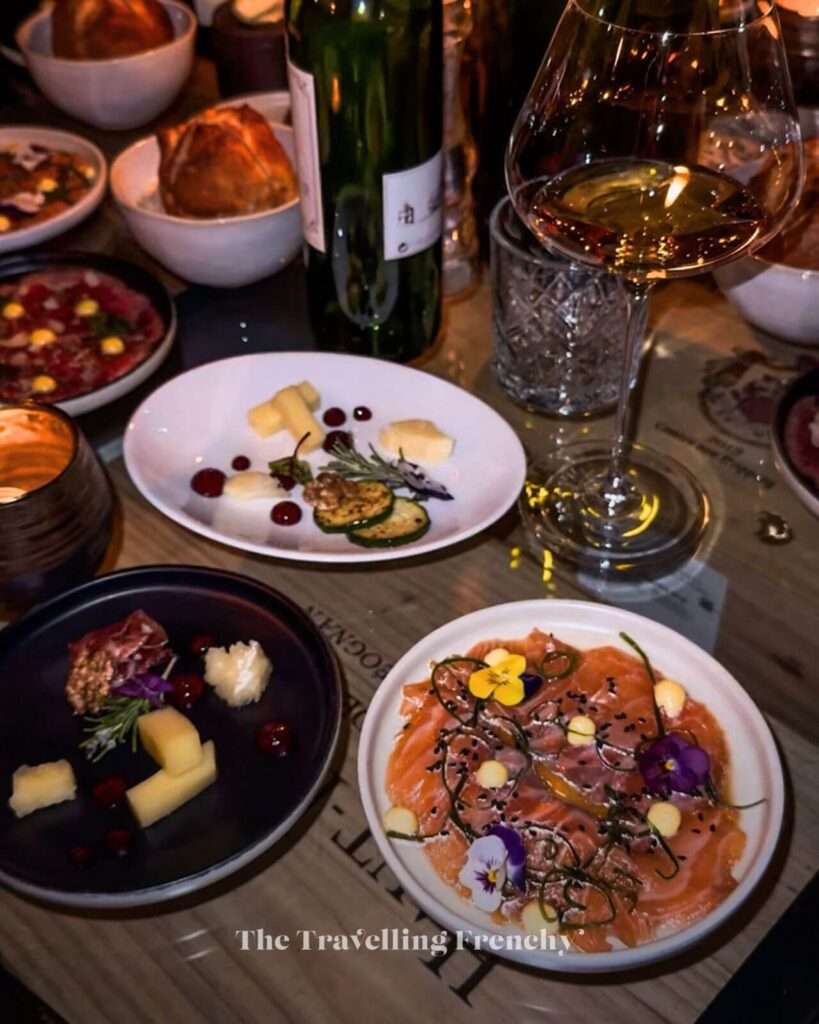
For dinner, I stopped at Rožmarin, which had been recommended locally. The menu blends Mediterranean and Asian influences, which might sound unexpected, but it works. It’s also a great place to explore more wines, with a selection that goes beyond just Slovenian labels.
I stayed overnight here, which I’d definitely recommend. It breaks up the itinerary nicely and lets you experience Maribor without feeling like you’re just passing through!

Travel Tip: If you’re in Maribor, this guided old town tour is the perfect way to explore its mix of medieval streets and modern city life while learning the stories behind its main landmarks
Day 4: Škofja Loka & Postojna Cave
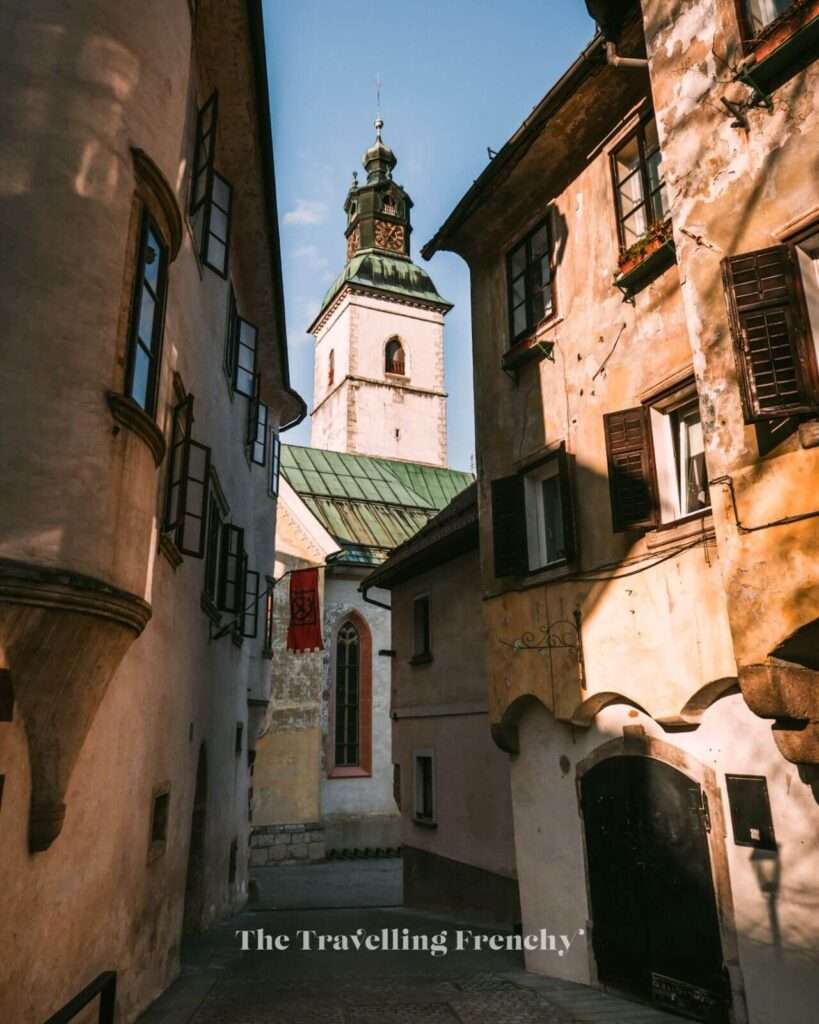
saved one of the most peaceful stops for the last day: Škofja Loka. It’s only about half an hour from Ljubljana, which makes it an easy final stop before wrapping up the trip, but it feels like a completely different world once you arrive.
The town is one of the best-preserved medieval towns in Slovenia, and you notice it straight away. The centre is small, with colourful façades, cobblestone streets, and a very calm atmosphere.
The highlight is definitely the Škofja Loka Castle, which sits slightly above the town. The walk up is short but worth it, and from the top you get a nice view over the rooftops and surrounding hills.
I also recommend to have lunch at a very local spot; Gostilna Inglič.
Food Tip: The best way to discover Slovenia’s food scene is on a 3-hour guided food tour, where you’ll taste traditional Slovenian dishes, local wines, and explore the city’s culinary culture with a local guide.


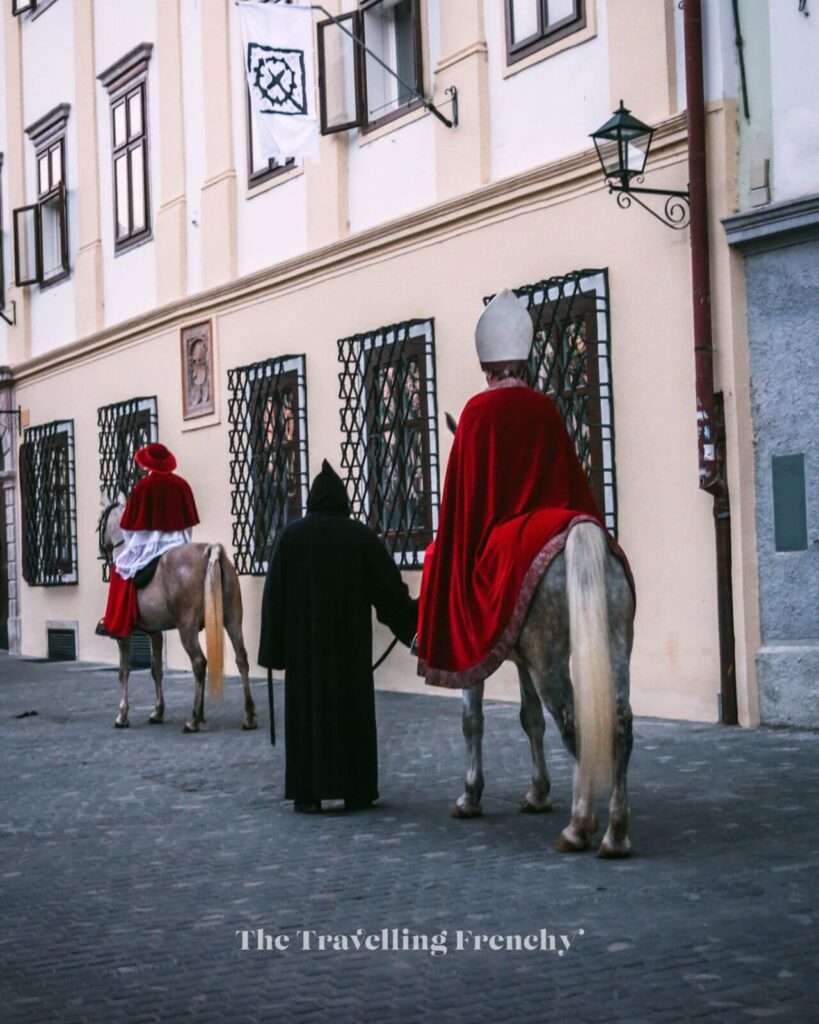
If you’re lucky enough to visit at the right time, Škofja Loka also has a very deep cultural layer that goes beyond its architecture. I actually attended the Škofja Loka Passion Play, which is performed only about every six years!
It’s a large-scale medieval religious play that tells the story of the Passion of Christ, from his final days to the crucifixion and resurrection. What makes it so unique is that it’s not performed in a theatre, the entire old town becomes the stage, and the audience moves through the streets as the story unfolds in different locations.
Hundreds of local residents take part in the performance, which gives it a very community-driven and authentic feel. Even outside of the event itself, it adds a much deeper cultural identity to Škofja Loka than you might expect from such a small place.
Unfortunately, my trip stopped there but I have lovely recommendations from my local friends to continue until the next day! So from there, I recommend continuing south towards Postojna Cave, leaving the quiet medieval town behind and gradually moving into a more dramatic, karst landscape.
The cave system is one of the most impressive natural sites in Slovenia. The visit begins with a small train that takes you deep underground, which already makes the experience feel a bit surreal. Once inside, the scale becomes the most striking part; vast chambers, tunnels, and rock formations that have been shaped over thousands of years.

Travel Tip: Easily explore the magical Postojna Cave by underground train and visit the dramatic Predjama Castle built into a cliff, all in one seamless adventure here!

Day 5: Piran & Portorož and the Slovenian Coast
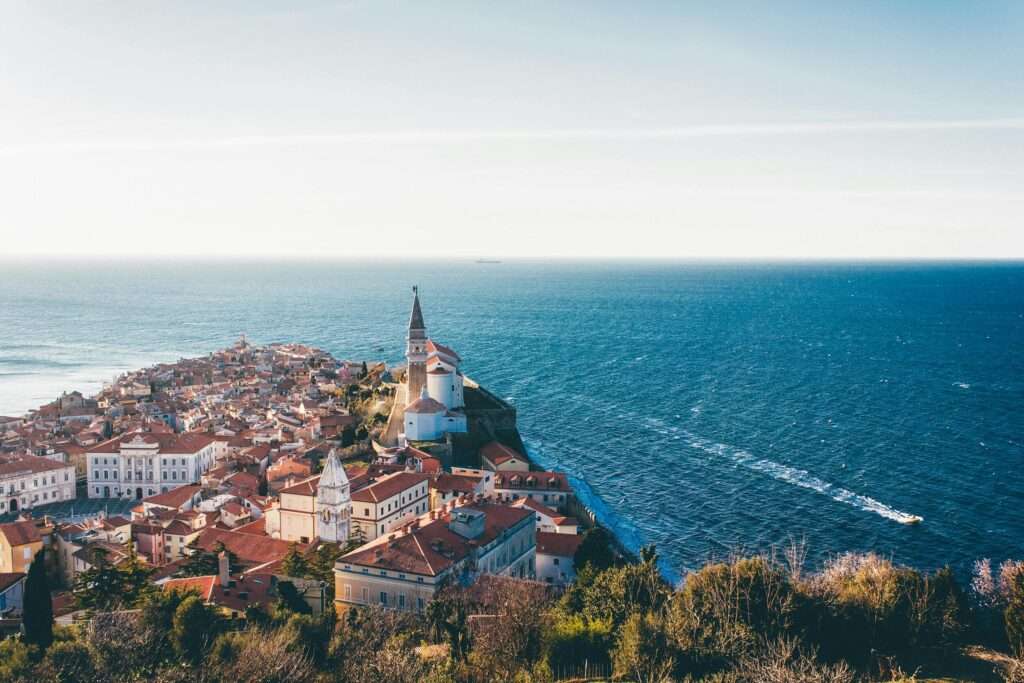
Piran is small and very walkable and the streets are narrow and slightly maze-like, with Venetian-style buildings.
Tartini Square is the main reference point, but honestly, the best part of Piran is just getting a bit lost in the side streets. Everything feels close, relaxed, and easy to explore on foot.
Don’t forget the old city walls, which give you one of the best views in town. From the top, you see the red rooftops, the harbor, and the Adriatic stretching out in the background.
This part of Slovenia has a very different energy compared to the inland days, more Mediterranean, more relaxed, and very easygoing.
Before sunset, my local friends recommended checking out Portorož, which has a more resort-like feel with wider beaches, spas, and a long seaside promenade. It’s a nice contrast to Piran if you want something more open and modern.
And of course, you should stay overnight on the coast! It gives the whole trip a proper ending, with no rush, just the sea, the old town, and a slow evening walk.

Adventure Idea: From Ljubljana, this sunset tour to Piran is such a vibe —wander through charming Venetian streets, enjoy seaside views and watch the sun dip into the Adriatic before heading back.
If you’re looking for Slovenia itineraries that include hidden gems in Slovenia, this route is a great place to start. It’s such a lovely way to experience the country through a mix of food, culture, history, and relaxation, while still keeping the pace easy and enjoyable.

Travel Tip: For something a bit different in Ljubljana, hop on this cool beer tasting boat tour!
That’s what makes Slovenia so rewarding to explore: even though it’s a small country, every stop feels different. You can see so much without spending hours on the road, which is exactly why this kind of itinerary works so well!