I still remember the first time I started researching buying a drone for travel blogging. Like most people, I was scrolling through Instagram and YouTube, seeing cinematic aerial shots of beaches, mountains and cities, and thinking: okay… I need one of these.
At the time, I didn’t realize how many factors actually go into choosing the best drone for travel photography and video. What looks like a simple gear upgrade quickly turns into a decision involving drone laws, camera quality, portability, battery life, and long-term travel practicality.
Once I started digging deeper into the market for travel drones, I also realized that the “best drone” depends heavily on how and where you plan to travel. Regulations vary by country, costs go far beyond the initial purchase price, and setup is more technical than most beginners expect!
➤➤ Get my travel guide! +600 things to do on the French Riviera including restaurants, hidden gems, photo spots & more!
No time to read now?
Save on Pinterest to read it later.

6 Things Every Travel Blogger Should Know Before Buying a Drone
Between confusing drone regulations for travelers, hidden ownership costs, battery limitations, and setup requirements, there’s a lot that most first-time buyers don’t discover until after they’ve already spent their money.
So before you invest in your first travel drone, here are 6 essential things every travel blogger should know before buying a drone, based on real-world travel experience and what actually matters when you’re on the road creating content.
Drone Tip: The best drone isn’t necessarily the one with the most features, it’s the one you’ll actually bring with you on your travels.
N°1. Choose the Right Drone for Your Travel Style
The biggest mistake new drone buyers make is assuming that the most expensive drone is automatically the best option.
For travel blogging, portability matters just as much as image quality. After all, you’ll be carrying your drone through airports, cities, hiking trails, and remote destinations.
Before choosing a drone, consider:
- Weight and size
- Camera quality
- Battery life
- Wind resistance
- Flight range
- Low-light performance
For most travel bloggers, compact drones make the most sense. A smaller drone takes up less space in your backpack and is easier to carry on flights.
Think carefully about how you’ll actually use the drone. If you mainly post content on social media, you probably don’t need a large professional drone. If you’re producing commercial video projects or selling footage, investing in a higher-end model may be worthwhile.
➤➤ Check out my local lavender fields guide here.
N°2. Learn the Drone Laws Before You Buy
Drone regulations have changed significantly over the last few years, and they continue to evolve around the world.
Many countries now require drone registration, operator identification, online training, or special permits depending on the weight of the drone and where you plan to fly.
Some destinations have strict restrictions on drones, while others prohibit them entirely.
Before traveling with a drone, always research:
- Registration requirements
- Flying restrictions
- No-fly zones
- Permit requirements
- National park regulations
- Privacy laws
Never assume that rules are the same from one country to another.
One of the quickest ways to ruin a trip is arriving at your destination only to discover that your drone cannot legally be flown there, or worse, that it can be confiscated upon arrival.

Drone Tip: Always check official government aviation websites before traveling, as drone regulations can change frequently.


N° 3. Understand the Real Cost of Owning a Drone
The drone itself is only part of the investment.
Many first-time buyers focus entirely on the purchase price and forget about the accessories they’ll eventually need.
Additional costs often include:
- Extra batteries
- Spare propellers
- Carrying cases
- Memory cards
- ND filters
- Charging hubs
- Insurance
- Registration fees
Extra batteries are particularly important for travel photographers. Most drones offer between 20 and 45 minutes of flight time per battery under ideal conditions. In reality, wind, cold temperatures, and aggressive flying can reduce that significantly.
If you’re hiking to a viewpoint for sunrise or spending a full day exploring a destination, having multiple batteries can make the difference between getting the shot and missing it entirely.
Drone Tip: When comparing drone prices, make sure you’re comparing the total setup cost rather than just the aircraft itself.


N°4. Traveling With a Drone Requires Planning
uying a drone is one thing. Traveling internationally with it is another.
Airlines have specific rules regarding lithium batteries, which are usually required to be carried in your hand luggage rather than checked baggage.
In addition to airline restrictions, some countries have customs requirements for drones and camera equipment.
Before every trip, check:
- Airline battery policies
- Customs regulations
- Drone import restrictions
- Local registration requirements
- No-fly zone maps
Travel bloggers often discover that flying the drone is easier than transporting it.

Drone Tip: A little research before departure can save you from unpleasant surprises at airport security or border control.


N°5. Modern Drones Are Easy to Fly, But They Still Crash
Today’s drones are smarter than ever.
Features such as GPS stabilization, obstacle avoidance, automated flight modes, and Return-to-Home functions make flying much easier for beginners.
However, these systems are not foolproof.
Strong winds, signal interference, poor visibility, and pilot error can still lead to accidents.
Many new pilots become overconfident because the drone feels easy to fly during the first few flights. That’s often when mistakes happen.
Before attempting complicated shots, spend time practicing:
- Basic controls
- Takeoffs and landings
- Emergency procedures
- Return-to-Home functions
- Manual flight skills

Drone Tip: The safest pilots are usually the ones who understand their drone’s limitations rather than relying entirely on automated features.
➤➤ 150+ Inspirational Quotes that will change the way you travel (with photos!)
N°6. Protect Your Investment, Insure Your Drone
Even experienced drone pilots crash occasionally.
A tree branch, sudden gust of wind, or technical malfunction can quickly turn an expensive drone into a very expensive paperweight.
That’s why it’s worth considering some form of protection.
Depending on your location and drone model, you may have access to:
- Manufacturer protection plans
- Accidental damage coverage
- Third-party drone insurance
- Travel insurance that covers electronics
Insurance may not seem necessary when everything is working perfectly, but you’ll appreciate it the first time something goes wrong.

Drone Tip: Considering how much travel bloggers rely on their camera gear, protecting your drone should be treated the same way as protecting your camera, laptop, or smartphone.


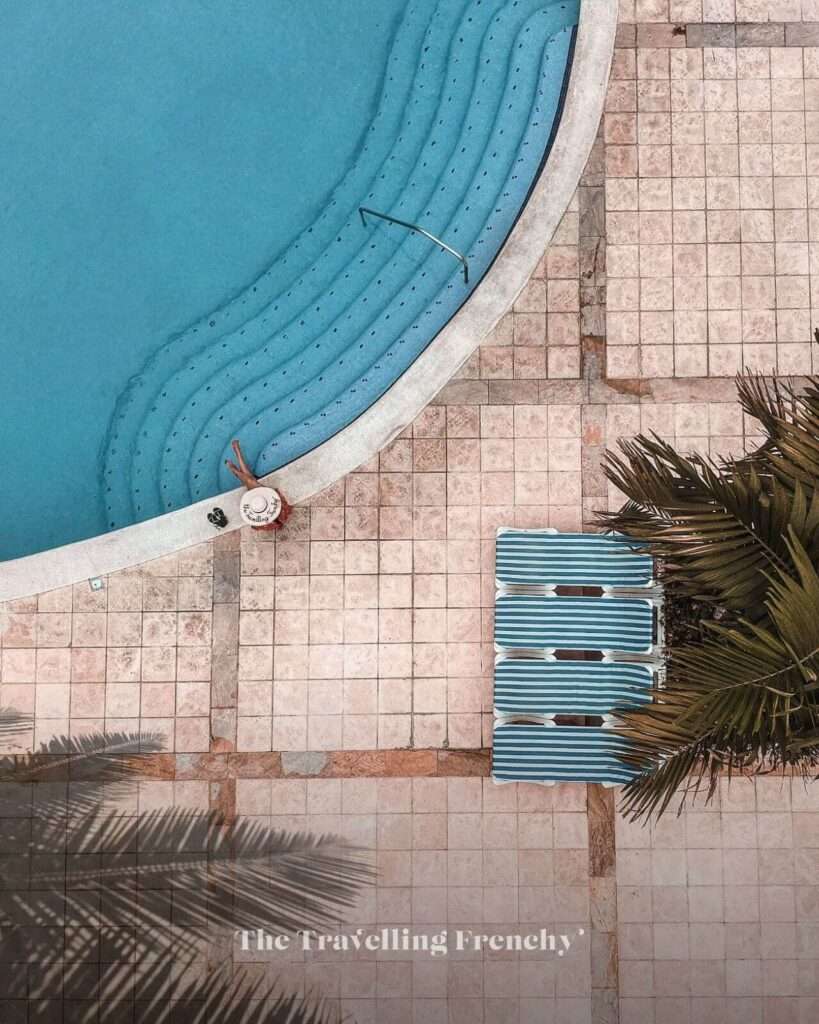
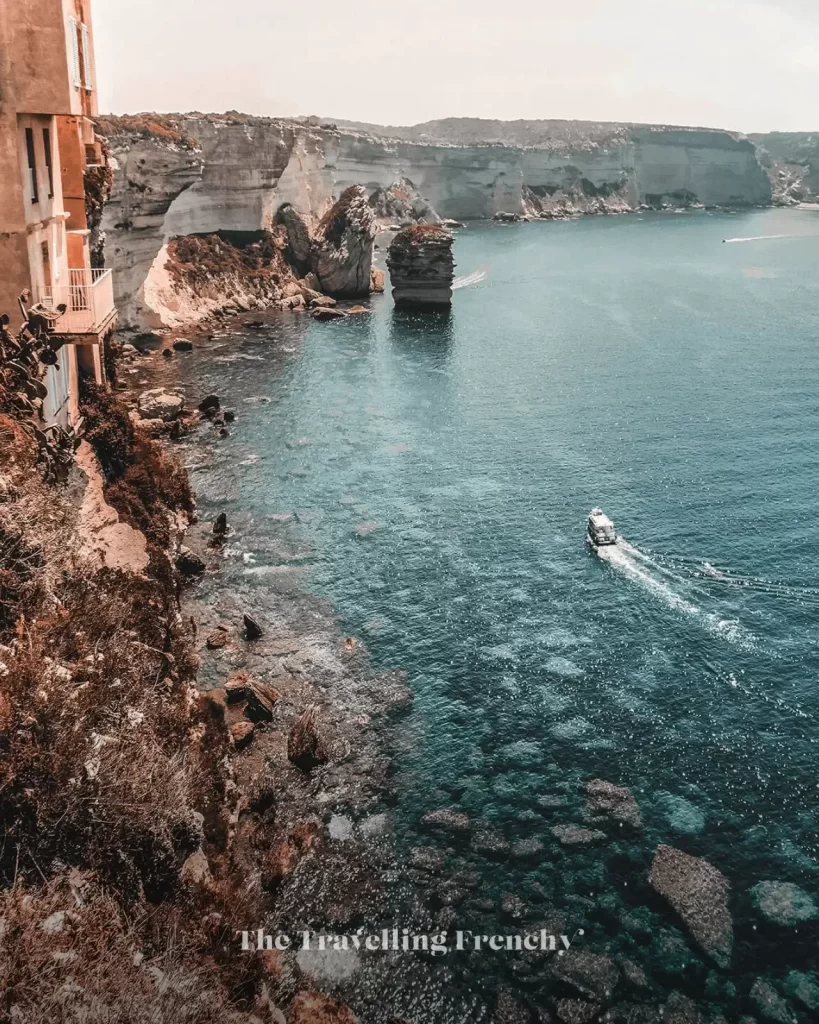
A drone can completely transform your travel content, allowing you to capture perspectives that would otherwise be impossible.
However, buying a drone involves much more than choosing a model with a great camera. Understanding regulations, travel requirements, accessory costs, safety limitations, and insurance options will help you make a smarter purchase and avoid costly mistakes.
Take the time to research before you buy, practice before you fly, and always respect local regulations. Your future self (and your drone) will thank you for it!
FAQs About Buying a Drone for Travel Blogging
What is the best drone for beginner travel bloggers?
Most beginners should prioritize portability, battery life, ease of use, and camera quality. A compact travel drone is often the best balance between performance and convenience.
What is the best drone for travel blogging in 2026?
The best drone for travel blogging in 2026 depends on your priorities, but most creators choose compact, sub-250g drones for portability and easier compliance with international drone regulations. Key factors include camera quality, battery life, wind resistance, and ease of transport rather than just brand or price.
Do I need to register a drone for travel?
In many countries, drone registration is required depending on the weight of the drone and how it is used. Regulations differ between regions such as the EU (EASA rules), the United States (FAA rules), and other national aviation authorities. Always check local laws before flying or traveling with your drone.
Can I bring a drone on an airplane?
Yes, drones are generally allowed on airplanes, but lithium batteries must usually be carried in hand luggage rather than checked baggage. Airlines may also have limits on battery watt-hours and the number of spare batteries you can carry, so it is important to check airline-specific rules before flying.
Is a drone under 250g better for travel?
For most travel bloggers, drones under 250g are often the best option because they are more portable and subject to fewer regulatory restrictions in many countries. However, they may have limitations in camera performance, wind resistance, and flight range compared to heavier professional drones.
How many batteries do I need for travel photography?
Most travel photographers should carry at least two to three batteries. A single drone battery typically lasts between 20 and 45 minutes depending on conditions, so multiple batteries are essential for capturing full travel days without interruptions.
Do drones work in all countries?
No, drone laws vary significantly by country. Some destinations require permits or registration, while others restrict or completely ban drone use in certain areas such as national parks, city centers, or protected zones. Always research destination-specific regulations before traveling.
Is drone insurance worth it for travel bloggers?
Yes, drone insurance is highly recommended for travel bloggers who use their drone frequently. It can cover accidental damage, flyaways and costly repairs. Some manufacturers also offer protection plans that are worth considering when purchasing your drone.